Our Programs
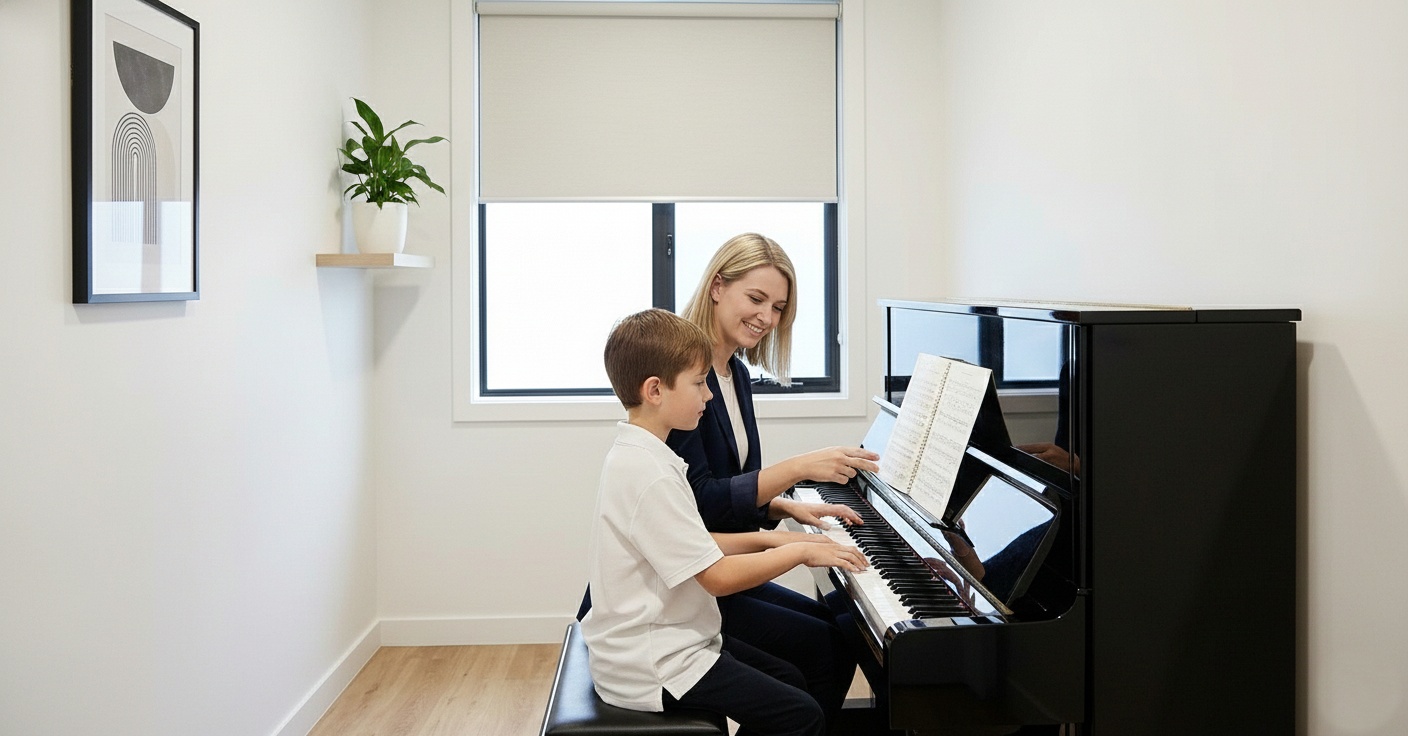
A one-on-one music class is a fully personalized lesson focused on the individual student’s goals, level, and learning pace. The teacher works exclusively with one student, allowing for precise technical guidance, immediate feedback, and tailored repertoire selection. Lessons may focus on technique, musicality, theory, sight-reading, performance skills, or exam preparation. We prepare students for ABRSM exams and for other international examination boards such as Rock school and Trinity, as needed. Our professors provide structured exam preparation aligned with each syllabus and can also assist with professional connections and coordination with teachers and music schools around the world, supporting long-term academic and artistic development.
One on One Class
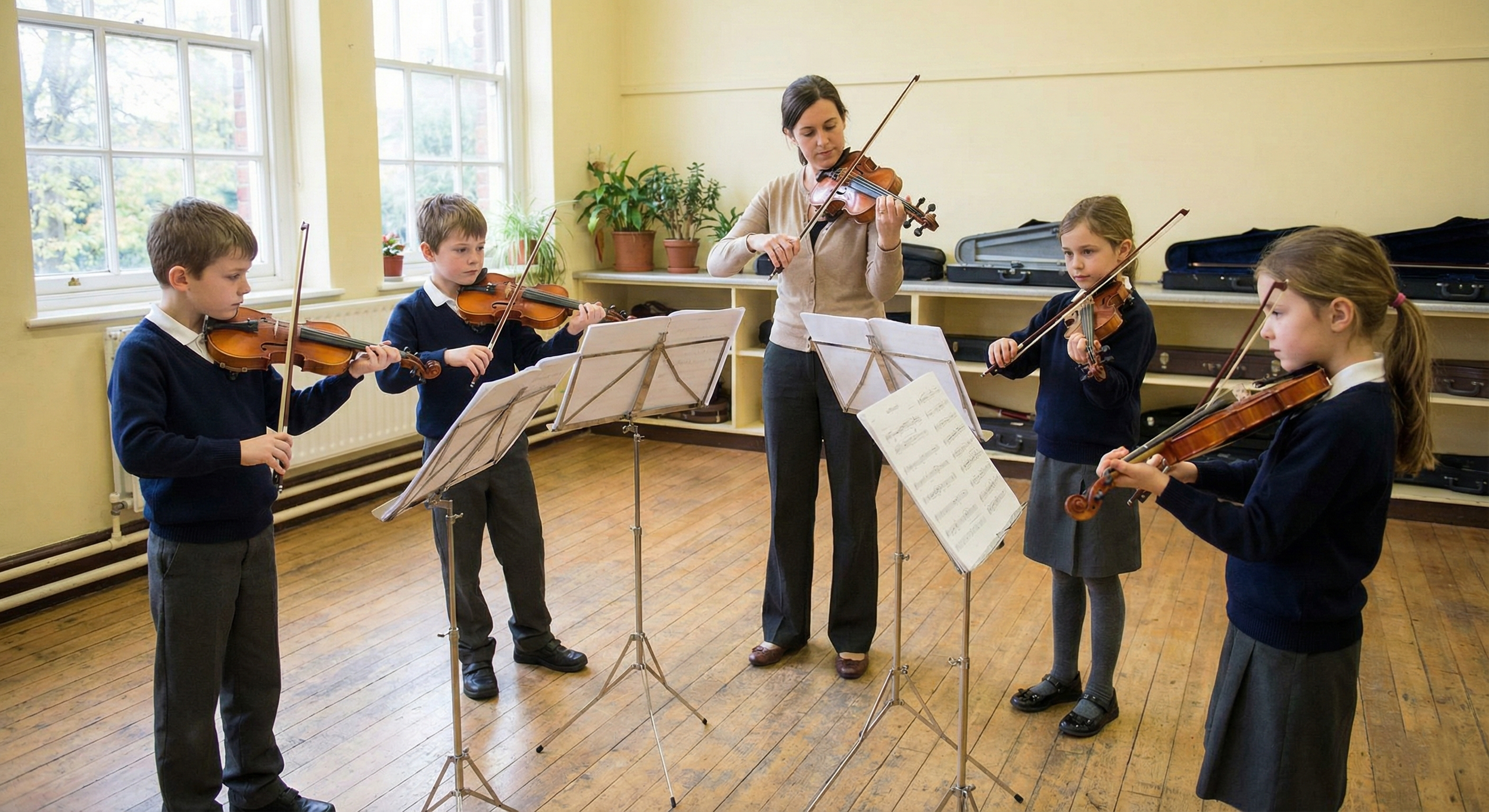
A group or ensemble music class focuses on collaborative learning through shared musical experience. Students develop essential skills such as listening, rhythm, coordination, and musical interaction while playing together in a structured and supportive environment. Classes are designed according to age, level, and ensemble type, and may include chamber groups, bands, orchestral sections, or mixed ensembles. Emphasis is placed on teamwork, discipline, and musical communication, helping students build confidence, improve timing and intonation, and gain practical performance experience while learning to work effectively with others.
Group Lessons/ Ensemble lesson
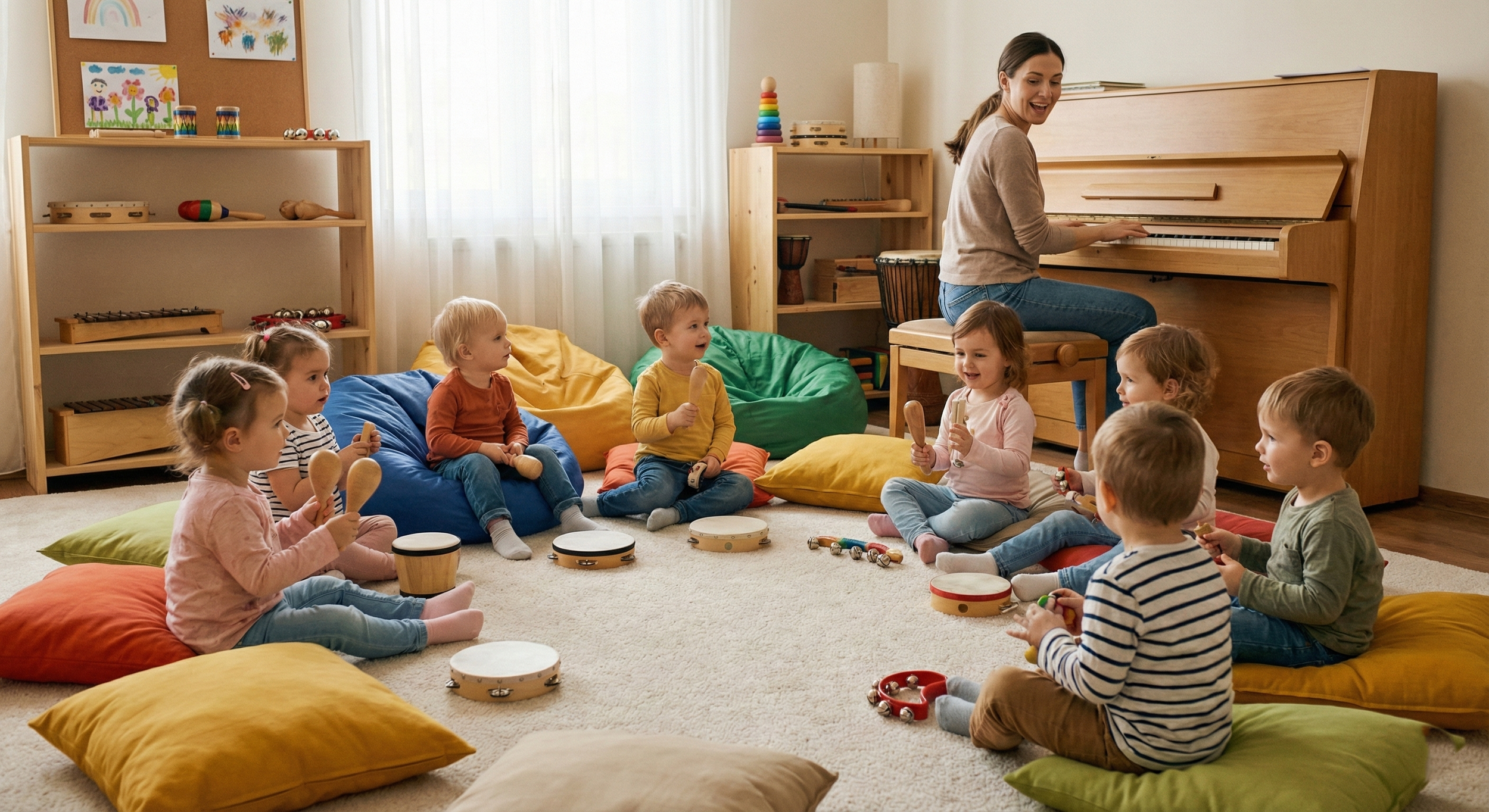
Music Appreciation (our preschool program)
A playful music program designed for children from 3 years old.
Classes combine simple songs, movement, rhythm games, and listening activities to build a natural connection to music. Children explore sound through clapping, singing, basic percussion, and guided play, developing coordination, focus, and musical memory. Learning happens through games and imagination, not pressure, creating a joyful and safe environment where confidence, creativity, and a love for music can grow naturally.
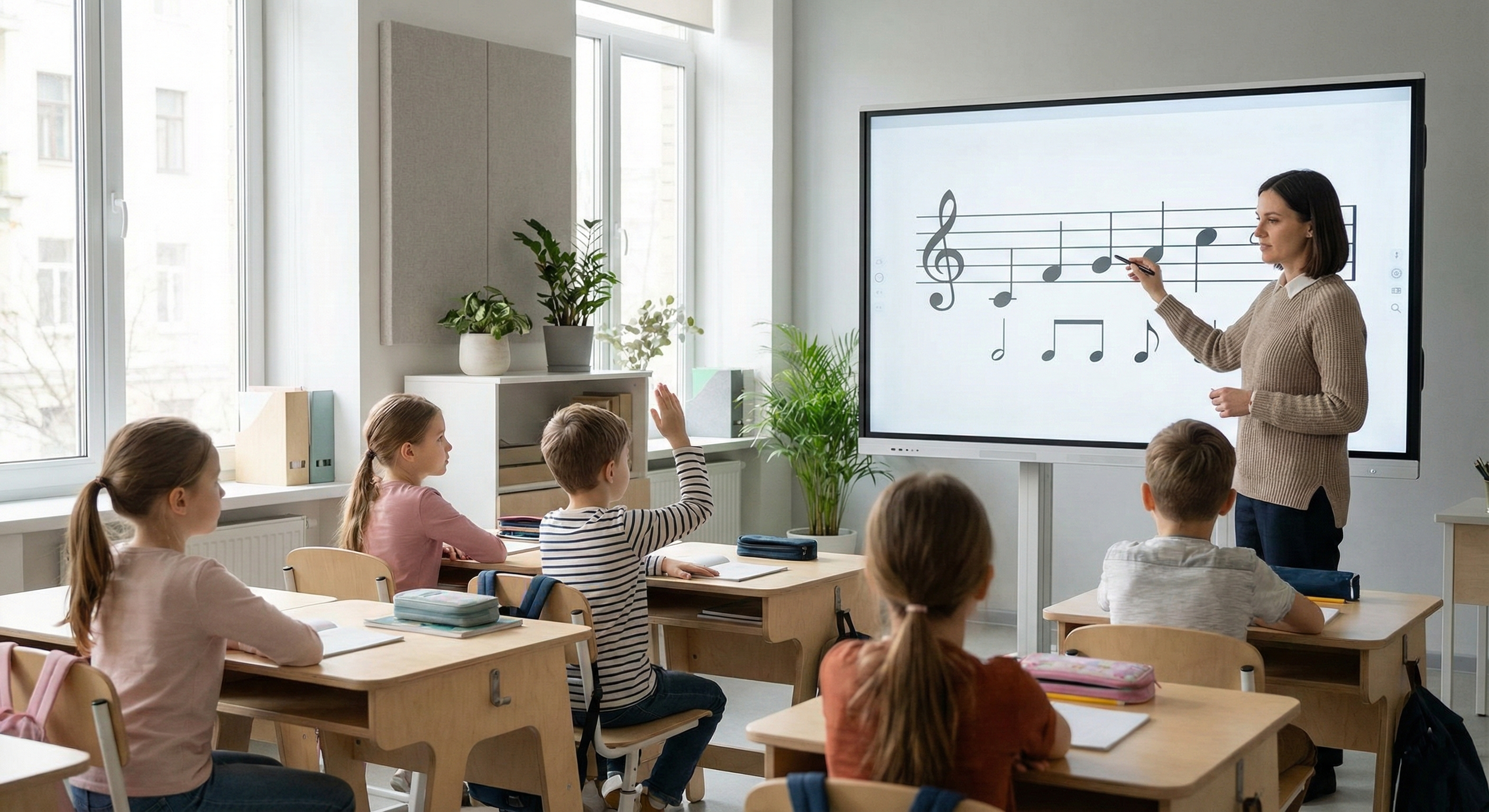
A music theory class provides students with a clear understanding of the structure and language of music. Lessons cover essential topics such as notation, rhythm, scales, intervals, chords, harmony, and form, adapted to the student’s level and musical background. Theory is taught in a practical and engaging way, closely connected to the instrument and repertoire, helping students read music confidently, understand what they play, and progress more efficiently. Classes also support exam preparation and composition skills, building a strong foundation for both performance and further musical studies.
Theory Class
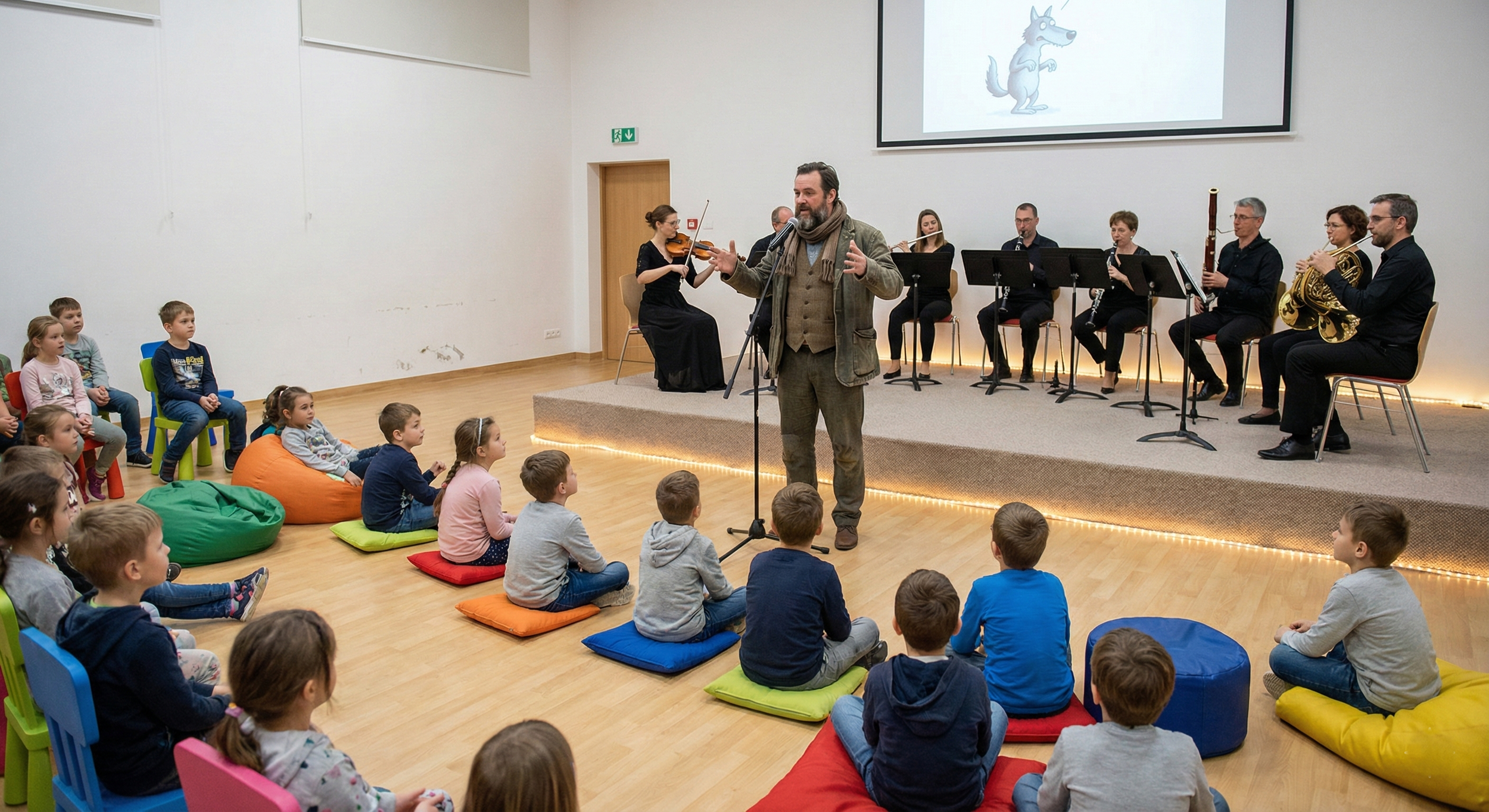
Music Stories are educational concerts designed especially for young audiences.
We present carefully selected musical stories performed live by our teachers and professional musicians, together with a storyteller. The stories are told in English, German, or Arabic, making the experience accessible and culturally rich.
Through narration and live music, children are introduced to instruments, musical themes, and listening skills in a natural and engaging way. This format is a well-established practice in Europe and around the world, used to educate, inspire, and develop musical awareness from an early age. Our Music Stories aim to enlighten the youngest generations and build a lasting connection between imagination, music, and learning.
Music Story
Coming Up…
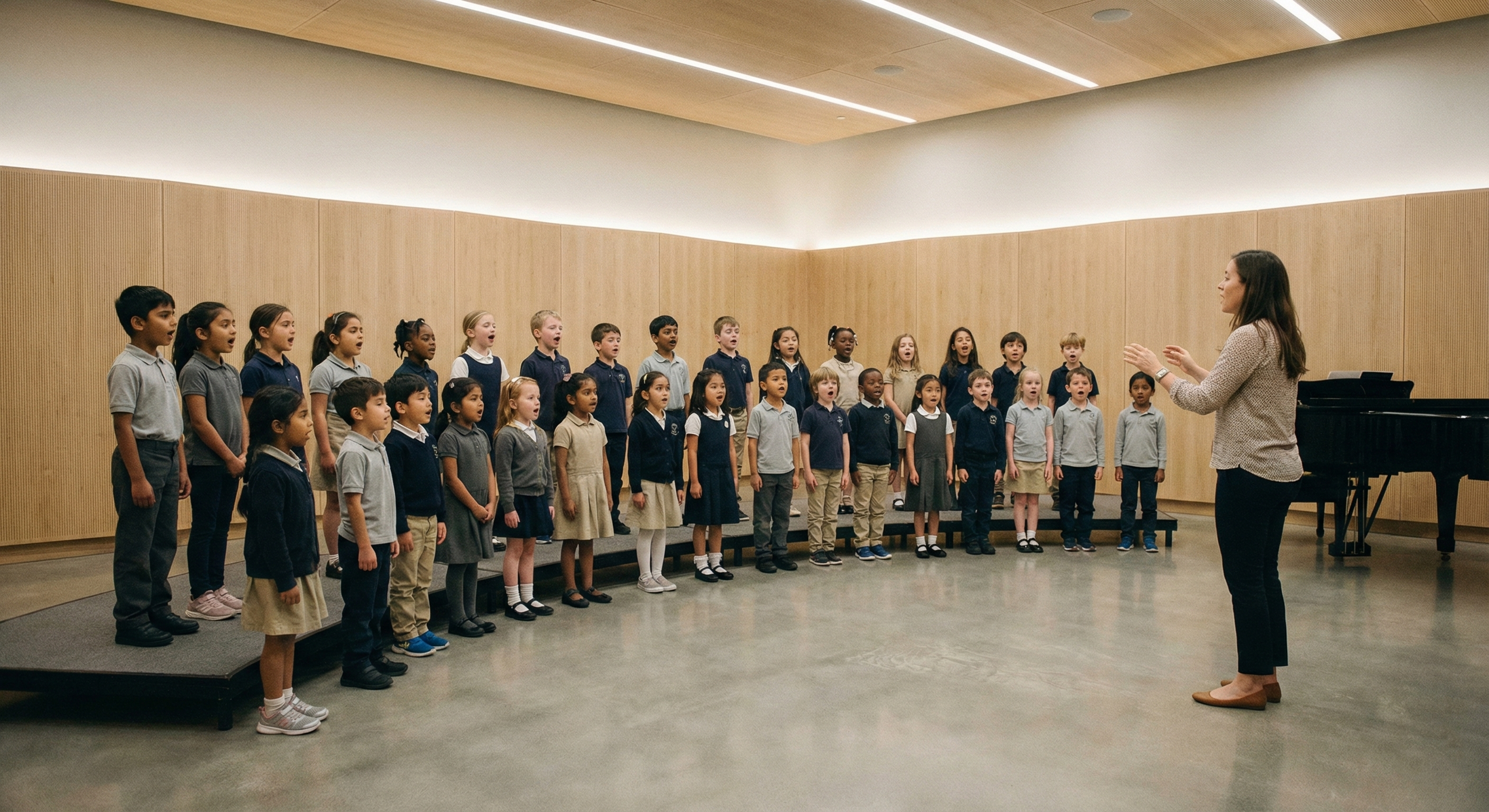
A children’s choir music class introduces young students to music through singing in a joyful and structured group setting. Children develop basic vocal technique, pitch awareness, rhythm, and listening skills while learning to sing together as a choir. Classes include age-appropriate warm-ups, songs, simple harmony, and musical games that encourage confidence, teamwork, and musical expression. Through regular rehearsals and performances, children build discipline, social skills, and a strong musical foundation while developing a love for singing and collective music-making.
Children Choir
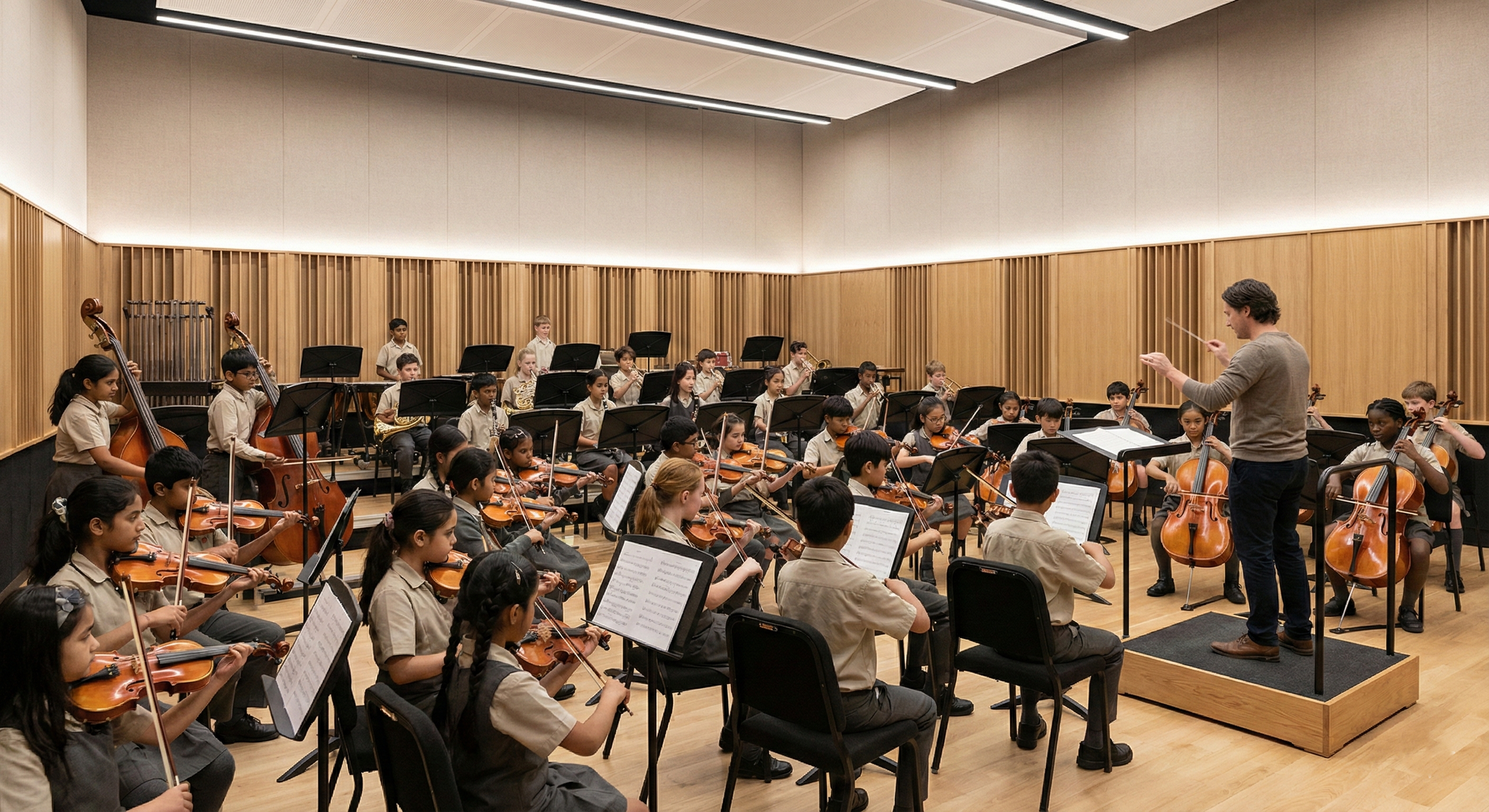
A youth orchestra program offers young musicians the opportunity to develop their skills through structured ensemble performance in an orchestral setting. Students learn to play as part of a large group, focusing on rhythm, intonation, balance, and musical communication while following a conductor. Rehearsals emphasize discipline, teamwork, and stylistic understanding across a varied repertoire. The program supports technical growth, reading skills, and performance experience, helping students build confidence, responsibility, and a strong foundation for advanced studies and future orchestral participation.
Youth Orchestra